Introduction
For homeowners in the Charleston Tri-County area, selecting the right fence is a decision that balances aesthetics, functionality, and local regulations. A well-chosen fence not only enhances your property’s curb appeal but also provides privacy, security, and defines boundaries. With a variety of materials and styles available, understanding the unique benefits of each can help you make an informed choice that perfectly complements your home and lifestyle. This comprehensive guide explores three popular fencing options: classic wooden fences, durable aluminum fences, and eco-friendly living fences, delving into their advantages and considerations for the Lowcountry climate.
Wooden Fences: Timeless Charm and Versatility
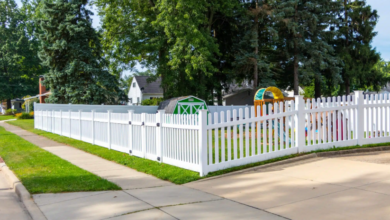
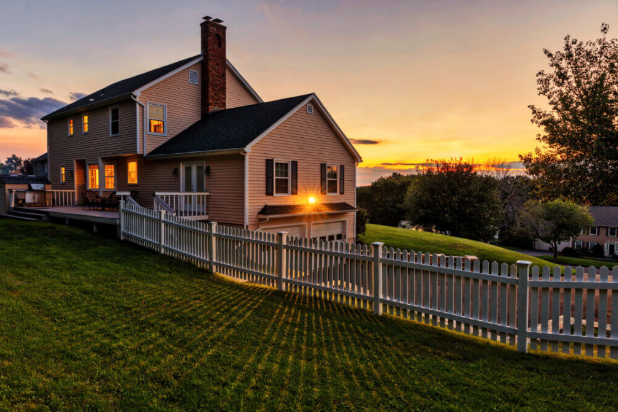
Wooden fences have long been a favorite among homeowners, cherished for their natural beauty, versatility, and ability to blend seamlessly with various architectural styles. From rustic picket fences to towering privacy barriers, wood offers a timeless appeal that can significantly enhance a property’s aesthetic. The inherent warmth and organic texture of wood create an inviting atmosphere, making it a popular choice for those seeking a classic and customizable fencing solution.
Benefits of Wooden Fences
1. Aesthetic Appeal: Wood fences provide a natural, classic look that can be stained or painted to match any home exterior. Their organic appearance adds character and charm, contributing to a welcoming ambiance. The variety of wood types, such as cedar, pine, and redwood, each offer distinct grain patterns and hues, allowing for personalized design choices .
2. Customization: One of the greatest advantages of wooden fences is their adaptability. They can be designed in a multitude of styles, heights, and picket configurations to meet specific privacy, security, or decorative needs. Whether you desire a traditional picket fence, a solid privacy fence, or a semi-private design, wood can be easily cut and shaped to achieve the desired look. This flexibility also extends to finishes, with options for natural stains, vibrant paints, or weathered looks .
3. Privacy and Security: For homeowners prioritizing seclusion, wooden fences excel at providing a solid barrier against prying eyes and unwanted intrusions. Tightly spaced pickets or solid panels create an effective visual and physical deterrent, offering a sense of peace and quiet in your backyard oasis. The robust nature of wood also contributes to enhanced security, making it more difficult for unauthorized access .
4. Cost-Effectiveness: Compared to some other fencing materials, wood can be a more budget-friendly option, especially for larger properties. The initial installation cost is often lower, making it an accessible choice for many homeowners. However, it’s important to consider long-term maintenance costs when evaluating the overall investment .
5. Eco-Friendliness: Wood is a renewable resource, and many wooden fences are made from sustainably harvested timber. When properly maintained, a wooden fence can last for decades, and at the end of its lifespan, it can be recycled or biodegraded, making it an environmentally conscious choice .
Considerations for Wooden Fences in Charleston Tri-County
While wooden fences offer numerous benefits, the humid, coastal climate of the Charleston Tri-County area presents specific challenges. Wood is susceptible to moisture damage, rot, insect infestation, and fading from sun exposure. Regular maintenance, including sealing, staining, or painting, is crucial to protect the wood and extend its lifespan. Pressure-treated wood and naturally rot-resistant species like cedar are often recommended for this region to combat these environmental factors .
Aluminum Fences: Elegant Durability and Low Maintenance
Aluminum fences offer a sophisticated and durable alternative to traditional fencing materials, providing an elegant aesthetic with minimal upkeep. Their sleek lines and classic designs make them a popular choice for homeowners seeking a refined look that stands the test of time. Aluminum fencing is particularly well-suited for properties where visibility and an open feel are desired, such as around pools or to showcase landscaping .
Benefits of Aluminum Fences
1. Durability and Longevity: Aluminum is inherently resistant to rust, corrosion, and rot, making it an excellent choice for the humid and salt-laden air of coastal environments like Charleston. Unlike wood, it won’t warp, crack, or splinter, ensuring a long-lasting and attractive fence with minimal degradation over time. This resilience makes aluminum a smart investment for enduring the Lowcountry’s weather conditions .
2. Low Maintenance: One of the most significant advantages of aluminum fencing is its low maintenance requirements. It does not need to be painted, stained, or sealed, saving homeowners considerable time and effort. Occasional cleaning with soap and water is usually sufficient to keep it looking new. This ease of care makes aluminum an attractive option for busy individuals or those who prefer a hands-off approach to fence upkeep .
3. Aesthetic Appeal and Versatility: Aluminum fences come in a variety of styles, colors, and decorative accents, allowing for a customized look that complements any home. From classic wrought-iron aesthetics to more contemporary designs, aluminum offers a wide range of options. Its open design provides an unobstructed view, making it ideal for properties with scenic landscapes or for enclosing pool areas while maintaining visibility .
4. Security and Safety: While offering an open design, aluminum fences still provide a strong and secure barrier. Their robust construction and secure latching mechanisms deter intruders and keep children and pets safely contained. For pool owners, aluminum fencing is often a preferred choice due to its compliance with safety regulations and its ability to withstand moisture without deteriorating .
5. Rackability: Aluminum fence panels are designed to
easily adapt to sloped terrain without unsightly gaps or custom fabrication. This ‘rackability’ feature ensures a seamless and attractive fence line, even on uneven ground, which is a common characteristic of many properties in the Charleston Tri-County area .
Living Fences: Natural Beauty and Sustainability
For those seeking an eco-friendly and aesthetically pleasing boundary solution, living fences offer a unique and sustainable alternative to traditional hardscape materials. Composed of carefully selected plants, shrubs, or trees, living fences provide natural privacy, enhance biodiversity, and contribute to a greener environment. They are an excellent choice for homeowners who desire a softer, more organic look that evolves with the seasons.
Benefits of Living Fences
1. Environmental Benefits: Living fences contribute significantly to local ecosystems. They provide habitats and food sources for local wildlife, including birds and pollinators, enhancing biodiversity in your yard. Plants also help improve air quality by absorbing carbon dioxide and releasing oxygen, and they can reduce noise pollution, creating a more tranquil outdoor space. Furthermore, they help with stormwater management by absorbing rainfall, reducing runoff and erosion .
2. Aesthetic Appeal: The natural beauty of a living fence is unparalleled. Unlike static structures, living fences change with the seasons, offering dynamic colors, textures, and fragrances. They can be designed to complement any garden style, from formal hedges to wild, informal borders. The lush greenery creates a serene and inviting atmosphere, seamlessly integrating with the natural landscape .
3. Privacy and Security: Depending on the plant species and density, living fences can provide excellent privacy. Dense shrubs or tall hedges create an effective visual screen, offering seclusion from neighbors and passersby. While they may not offer the same level of physical security as a solid wooden or metal fence, thorny plants can act as a deterrent to intruders. Strategic planting can also define property lines clearly and beautifully .
4. Reduced Maintenance (Long-Term): While initial establishment requires care, once mature, many living fences can be relatively low maintenance compared to the ongoing painting or staining required for some wooden fences. Pruning and occasional watering are typically the main tasks. They don’t rust, rot, or need replacement due to material degradation, offering long-term sustainability .
5. Increased Property Value: A well-designed and maintained living fence can significantly increase property value. Its unique aesthetic appeal, environmental benefits, and natural integration with the landscape make a home stand out. Potential buyers often appreciate the established greenery and the privacy it affords, viewing it as a valuable asset .
See also: Pool Cleaners Sunshine Coast: How to Choose the Right System for Your Home
Considerations for Living Fences in Charleston Tri-County
When planning a living fence in the Charleston Tri-County area, it’s crucial to select plant species that are well-suited to the local climate, soil conditions, and salt tolerance if near the coast. Native plants are often the best choice as they are adapted to the environment and require less water and care once established. Considerations include growth rate, mature size, maintenance requirements (pruning frequency), and whether the plants are evergreen or deciduous. Popular choices for living fences in the region might include various types of hollies, ligustrum, or even certain bamboo varieties (with proper containment to prevent invasiveness) .
Local Fencing Regulations in Charleston Tri-County
Before embarking on any fencing project, homeowners in the Charleston Tri-County area must be aware of local regulations, permits, and homeowners association (HOA) guidelines. These rules can vary significantly between the City of Charleston, North Charleston, Mount Pleasant, and the broader Charleston County, as well as Berkeley and Dorchester Counties. Ignoring these regulations can lead to fines, forced removal of the fence, and delays in your project .
Key Regulatory Aspects
1. Permits: Many municipalities in the Charleston Tri-County area require a permit for fence installation, especially if the fence exceeds a certain height (e.g., 6 feet in the City of Charleston) or is made of specific materials like brick or stone. The permitting process typically involves submitting an application, a property plat, and sometimes HOA approval .
2. Height Restrictions: There are often different height restrictions for fences in front yards versus side or rear yards. For instance, front yard fences might be limited to 3-4 feet, while backyard fences could be up to 6 feet or more. These regulations are in place to maintain neighborhood aesthetics and ensure clear sightlines .
3. Setbacks: Fences must typically be set back a certain distance from property lines, sidewalks, and streets. It’s crucial to know your exact property boundaries, often requiring a survey, to ensure compliance with setback requirements .
4. Materials and Design: In historic districts, there may be specific requirements regarding fence materials and design to ensure they are consistent with the area’s architectural heritage. Even outside historic districts, some HOAs have strict guidelines on approved fence types and colors .
5. Corner Lots: Properties on corner lots often have more stringent regulations regarding fence placement and height to ensure visibility for drivers at intersections .
It is highly recommended to consult with your local planning or zoning department and your HOA (if applicable) before starting any fence project. Professional fencing companies in the Charleston Tri-County area, such as FenceCraft, are typically well-versed in these local regulations and can assist homeowners in navigating the permitting process and ensuring compliance.
Making the Right Choice for Your Home
Choosing the ideal fence for your residential property in the Charleston Tri-County area involves weighing various factors: aesthetic preferences, desired level of privacy and security, maintenance commitment, budget, and local regulations. Each fence type—wooden, aluminum, and living—offers distinct advantages that cater to different needs and priorities.
Wooden fences provide classic charm, extensive customization options, and excellent privacy, making them a versatile choice for many homeowners. However, they require regular maintenance to withstand the humid coastal climate.
Aluminum fences offer elegant durability, minimal maintenance, and excellent resistance to rust and corrosion, making them ideal for those seeking a long-lasting, low-upkeep solution, especially in coastal areas or around pools.
Living fences present a sustainable and naturally beautiful option, enhancing biodiversity, improving air quality, and offering a dynamic aesthetic that evolves with the seasons. They require careful plant selection and initial establishment but can be relatively low maintenance in the long run.
Ultimately, the best fence is one that not only meets your functional requirements but also complements your home’s architecture and your personal style, all while adhering to local guidelines. By carefully considering these options and consulting with local fencing experts, you can select a fence that provides lasting beauty, value, and peace of mind for your Charleston Tri-County home.